
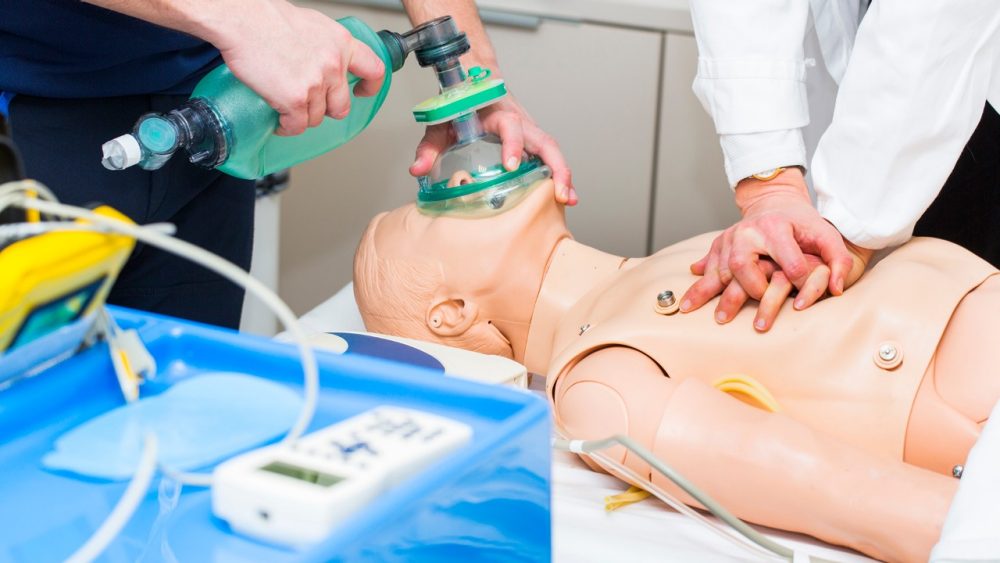
Basic to Advanced Treatment Support: A Complete Healthcare Guide
Healthcare today is no longer limited to just treating illnesses when they become severe. It now focuses on a full spectrum of care—from basic treatment for minor conditions to advanced medical lifeline hospital pune interventions for complex diseases. Understanding this progression helps patients make better decisions, seek timely care, and improve long-term health outcomes.
Understanding Basic Treatment Support
Basic treatment support refers to the first level of healthcare that addresses common, non-critical health issues. This is usually provided in clinics, general practitioner offices, or outpatient departments.
Common examples include:
- Treatment of cold, fever, and flu
- Wound cleaning and dressing
- Pain management for mild injuries
- Basic health check-ups
- Prescription of standard medications
- Preventive advice and vaccinations
The goal of basic treatment is to stabilize the patient, relieve symptoms, and prevent conditions from worsening. It is often the first point of contact in the healthcare system. In many cases, early diagnosis at this stage can prevent the need for more complex treatment later.
Intermediate Care and Monitoring
When a condition requires more attention than basic care but does not yet require hospitalization or specialized intervention, intermediate treatment support is needed. This includes:
- Diagnostic tests such as blood work, X-rays, or ultrasounds
- Management of chronic conditions like diabetes or hypertension
- Follow-up care after minor procedures
- Physical therapy and rehabilitation support
- Specialist consultations for early-stage conditions
At this stage, healthcare providers monitor patient progress closely. Adjustments to medication or treatment plans are often made based on test results and recovery speed.
Advanced Treatment Support
Advanced treatment support is required for serious, complex, or life-threatening conditions. This level of care is usually provided in hospitals, specialty centers, or intensive care units (ICUs). It often involves highly trained specialists and advanced medical technology.
Examples include:
- Major surgeries (heart, brain, orthopedic procedures)
- Cancer treatment such as chemotherapy or radiation therapy
- Intensive care for critical illnesses or injuries
- Organ transplants
- Advanced imaging and diagnostic procedures like MRI or CT scans
- Specialized therapies for neurological or cardiovascular diseases
Advanced care focuses not only on treatment but also on long-term recovery, rehabilitation, and quality of life improvement.
The Importance of a Step-by-Step Healthcare System
A well-structured healthcare system ensures patients move smoothly from basic to advanced care when needed. This step-by-step approach has several benefits:
- Early detection of diseases
- Reduced healthcare costs
- Better treatment outcomes
- Lower risk of complications
- Efficient use of medical resources
Patients are encouraged to seek medical attention early rather than waiting for symptoms to worsen. Many serious conditions can be managed effectively if identified at an early stage.
Integrated Patient Support
Modern healthcare also emphasizes integrated support systems, which include:
- Medical treatment
- Mental health support
- Nutritional guidance
- Post-treatment rehabilitation
- Family counseling and care education
This holistic approach ensures that patients are not just treated for illness but supported in overall recovery and well-being.
Conclusion
Basic to advanced treatment support represents the full journey of healthcare—from simple check-ups to complex medical interventions. Each stage plays a critical role in maintaining health and saving lives. By understanding how these levels of care work together, individuals can make informed decisions, seek timely help, and achieve better health outcomes throughout their lives.