
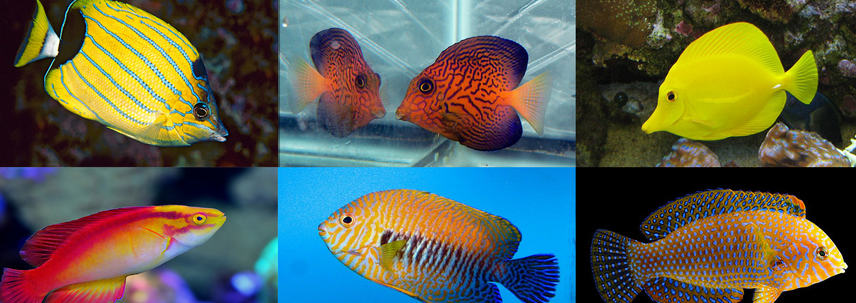
The Living Jewels of the Pacific: Exploring Hawaii’s Iconic Coral Fish
Hawaii’s coral reefs are more than just underwater landscapes; they are vibrant, bustling metropolises that house some of the most unique biodiversity on Earth. Isolated by thousands of miles of open ocean, the Hawaiian archipelago has developed a marine ecosystem where roughly 25% of the fish species are endemic, meaning they are found nowhere else in the world. From the neon glow of the Yellow Tang to the complex patterns of the state fish, these «living jewels» are the heartbeat of the Pacific.
The Icons of the Reef
Among the hundreds of species darting through the volcanic rock and coral gardens, two stand out as symbols of the islands. The Yellow Tang (Lau’ipala) is perhaps the most recognizable. Its vibrant, solid-yellow hue acts as a brilliant flash of color against the blue water. These fish are essential to the reef’s health, acting as «underwater gardeners» by grazing on algae that might otherwise smother the delicate coral.
Then there is the https://coralfishhawaii.com/ Humuhumunukunukuapuaʻa, or the Reef Triggerfish. Beyond having one of the most famous names in the animal kingdom—which translates to «triggerfish with a snout like a pig»—it is Hawaii’s official state fish. Known for its geometric patterns and blue-and-yellow accents, it is a hardy defender of its territory, often seen grunting or wedging itself into crevices for protection.
A Masterpiece of Evolution
The specialization of Hawaiian coral fish is a result of extreme geographic isolation. Because it is so difficult for larvae to reach these remote islands, the species that did make it evolved into specialized roles. The Hawaiian Cleaner Wrasse, for example, sets up «cleaning stations» where larger fish line up to have parasites removed. This symbiotic relationship is a cornerstone of reef hygiene.
Conservation and the Future
The beauty of Hawaii’s coral fish faces modern challenges. Climate change, rising sea temperatures, and coral bleaching threaten the habitats these fish call home. Fortunately, Hawaii has become a global leader in marine conservation. Organizations like the Oceanic Institute have made breakthroughs in captive breeding, successfully raising Yellow Tang in labs to reduce the pressure on wild populations from the aquarium trade.
Furthermore, Marine Life Conservation Districts, such as Hanauma Bay, provide a sanctuary where these species can thrive away from fishing pressure. These efforts ensure that the «living jewels» of the reef continue to shimmer for generations to come.
Conclusion
Hawaii’s coral fish are not just a visual spectacle; they are a vital link in a complex biological chain. Whether it’s the shy Moorish Idol or the bold Parrotfish, each inhabitant plays a part in keeping the islands’ underwater world alive. To see them is to witness a masterpiece of evolution—one that requires our respect and protection to endure.
Would you like to focus a follow-up article on specific conservation efforts or a guide to the best snorkeling spots to see these fish?